There is a large amount of excellent downloadable material available online for developing computational thinking among early childhood and primary school students. This material includes a variety of resources that cover different aspects of computational thinking and can be used both in the classroom and at home.
Types of available material:
- Didactic guides: Detailed documents that provide instructions and strategies for educators and parents on how to teach computational thinking. This material facilitates lesson planning, provides structured activities, and offers tips for adapting resources to different learning levels.
- Unplugged computational thinking educational materials. Department of Education of the Government of Catalunya.
- An extension program for elementary school children CS Unplugged
- Target cards unplugged PC challenges. Department of Education of the Government of Catalunya.
- Unplugged computational thinking. Escoles FEDAC. O. de Paula i A. Matamala
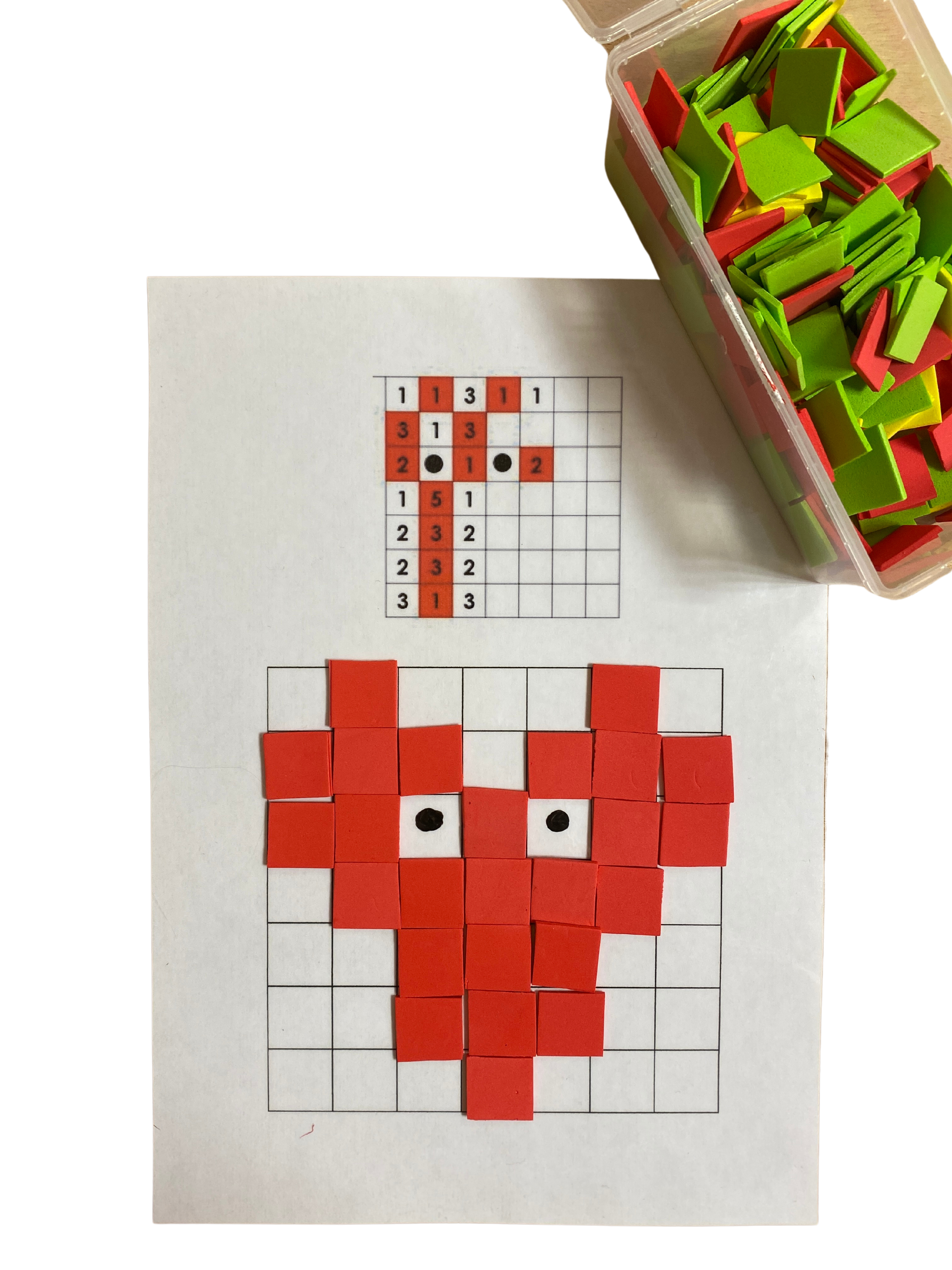
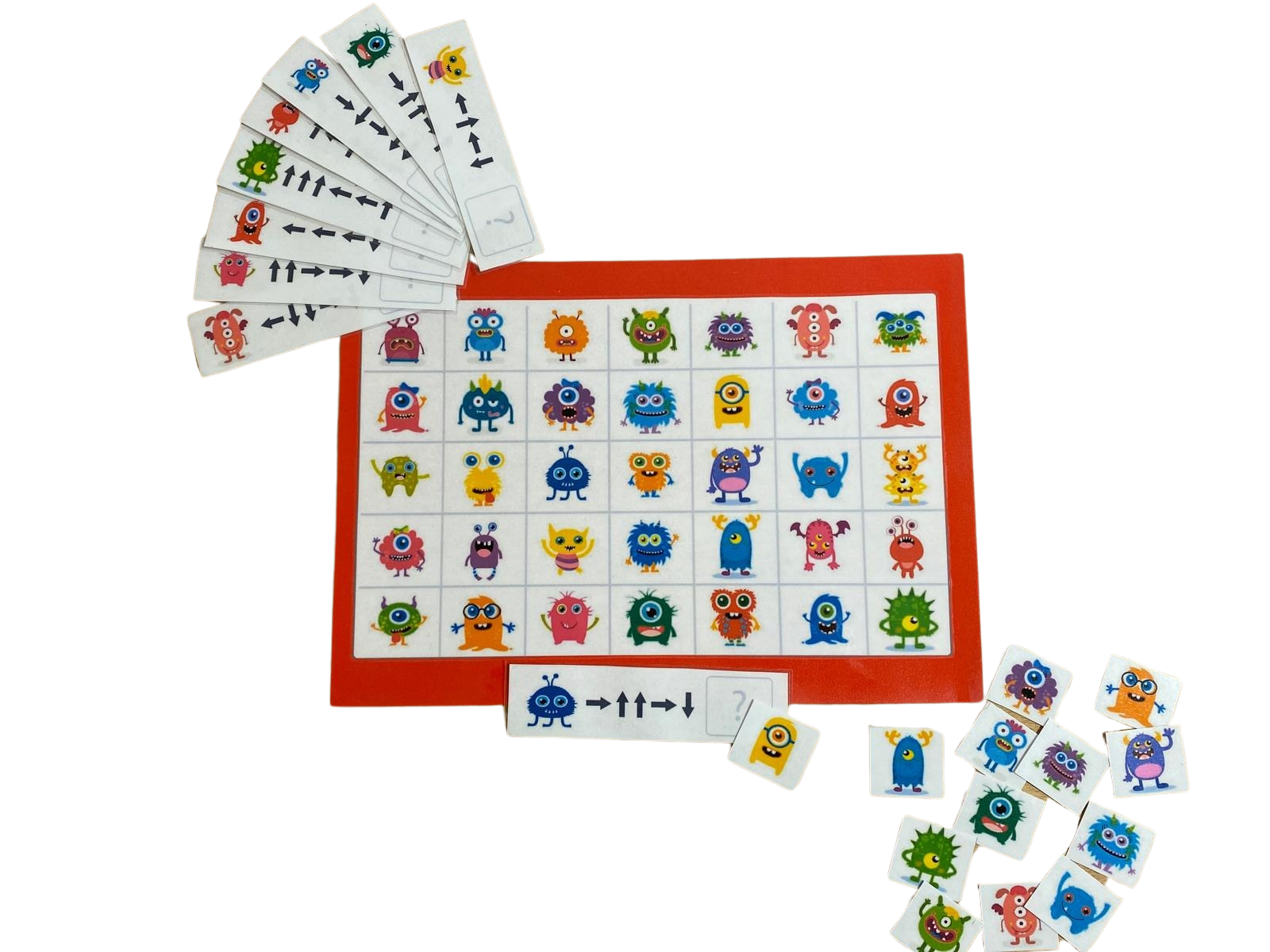
- Printable activities: Sheets that include exercises on sequencing, patterns, logic, problem-solving, and other skills related to computational thinking. These activities provide a practical and tangible way for children to practice computational thinking concepts, helping them develop skills step by step."
- Educational videos and tutorials. Videos that explain computational thinking concepts, showcase practical activities, and provide step-by-step demonstrations. These videos and tutorials help visualize concepts and better understand the activities through practical and visual examples.
- Workshop presentations, lectures, and activities carried out in the classroom. Proposals implemented by teachers who work on computational thinking and robotics in their classrooms..
- DIY Projects. Instructions for practical projects that teachers can prepare for younger children or that older children can carry out themselves, such as games, simple robots, basic circuits...
- Material shared on social media: Various materials shared by teachers based on their own experiences..
|
|
The downloadable material available online is a valuable tool for teachers. Most of this material is easily accessible online and often free of charge. Many of these resources are designed to encourage active learning and student participation, and they allow the approach to computational thinking from multiple perspectives.