With a bit of creativity and imagination, and by using materials we have in the classroom, we can create a variety of unplugged activities and adapt them to the characteristics of our students and the learning situation or project happening in the classroom.
Next, you will find some examples of unplugged activities prepared by the teacher that work on computational thinking.
What is the Gruffalo like?
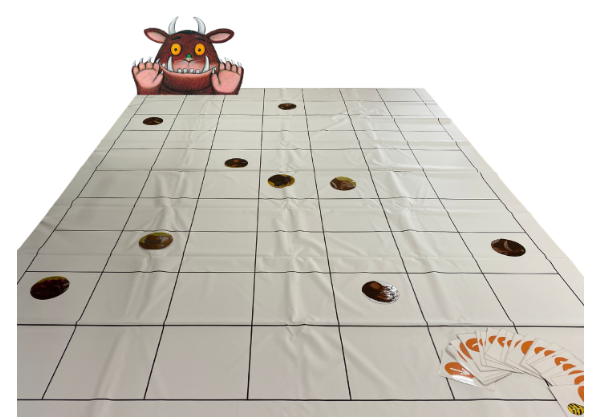
To carry out this activity, we will need the book "The Gruffalo," a grid mat or a grid painted on the floor, images of the Gruffalo’s characteristics, and instruction cards (forward, backward, right, and left).
We will start the activity by explaining the story of the Gruffalo. To recall its characteristics, we begin the game: One child becomes the robot, and two classmates take on the role of the programmers. The objective is to gather all the Gruffalo's characteristics, which are scattered across various squares on the mat, using the instructions given by the programmers.
Where are you going, Little Mouse?
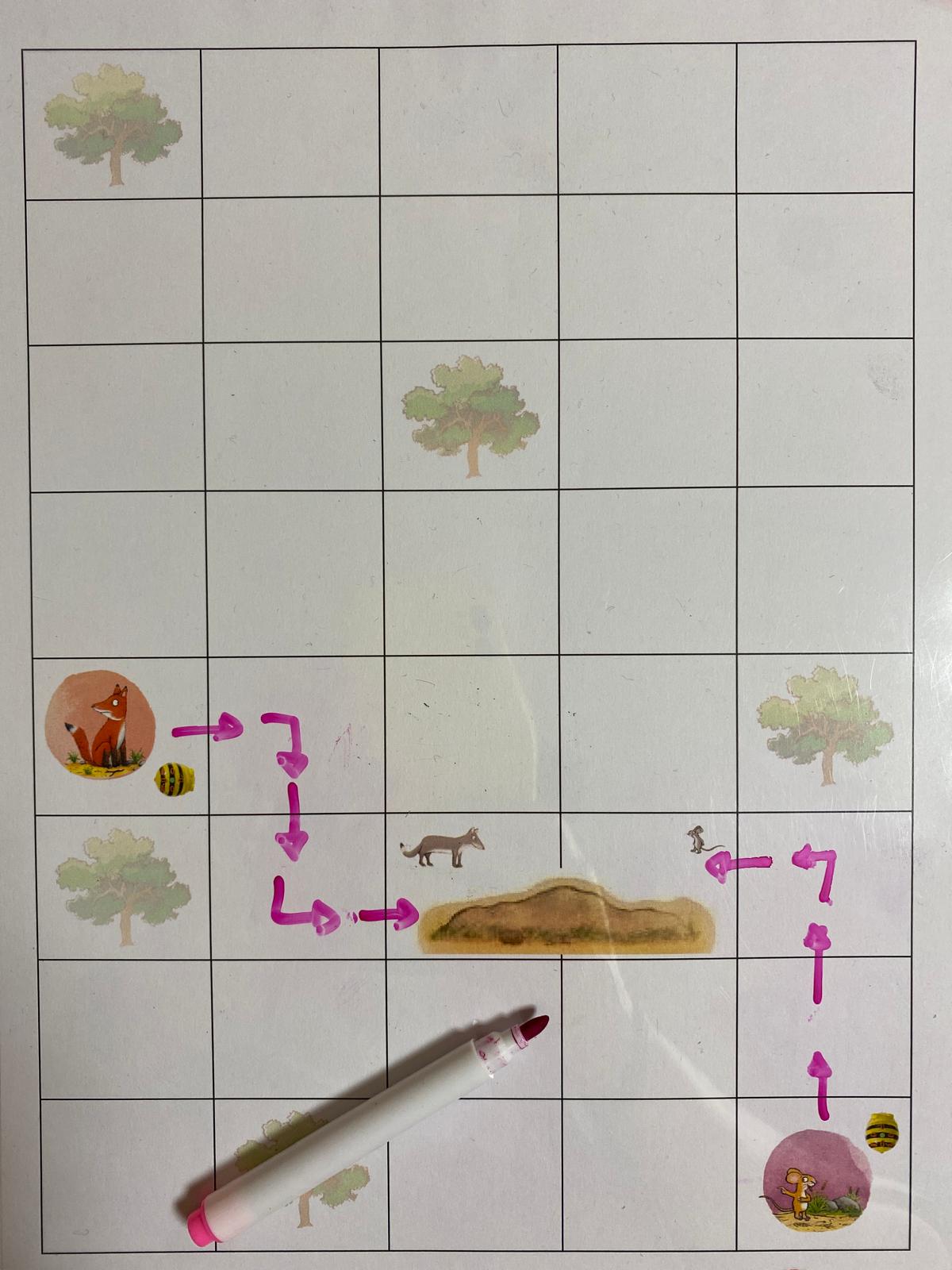
Continuing with activities related to the story of The Gruffalo, another activity could be to reenact the dialogues between the different characters, giving instructions for them to reach the meeting point. The materials needed are sheets with the starting point and the meeting point for each character, a marker to draw the arrows, and, if you wish to reuse the materials, plastic sleeves where children can draw the path.
Paths
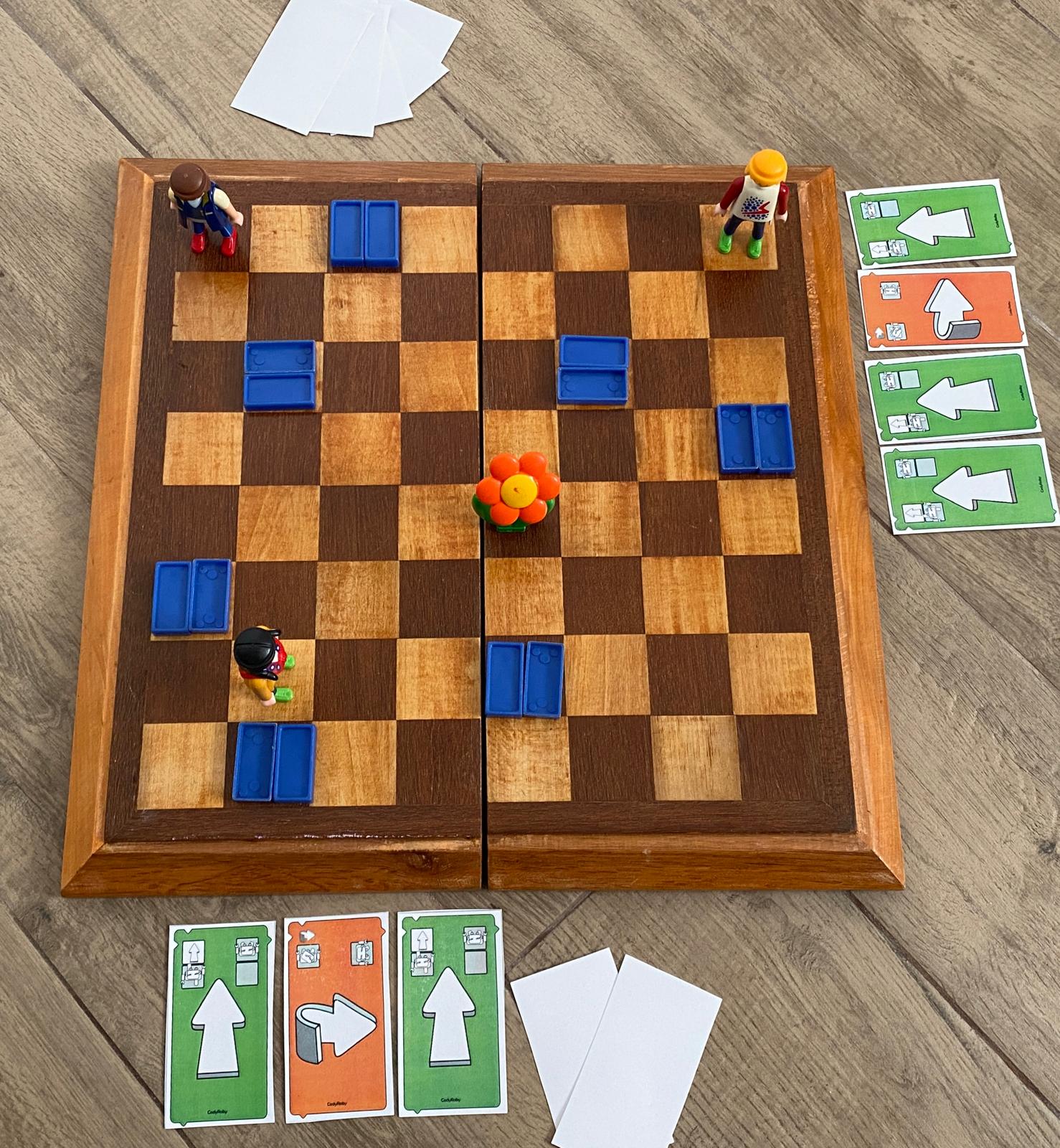
Using a grid board, pieces from another game, and cards with arrows, we can create a board game where children have to give a series of instructions to reach a specific location. This game can be organized with different levels of difficulty and adapted to the theme being worked on in the classroom.
Let’s code!
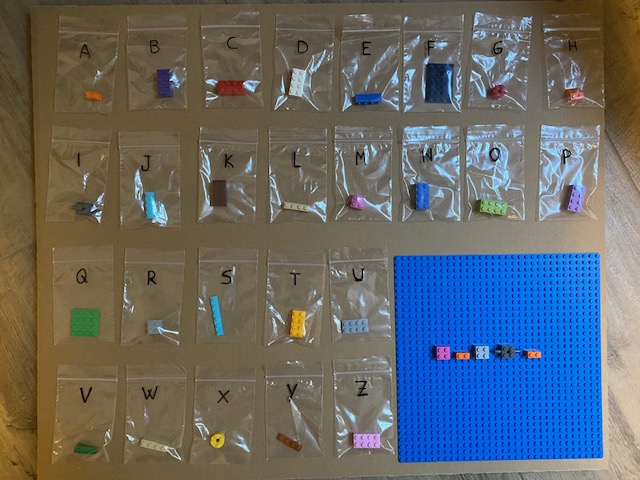
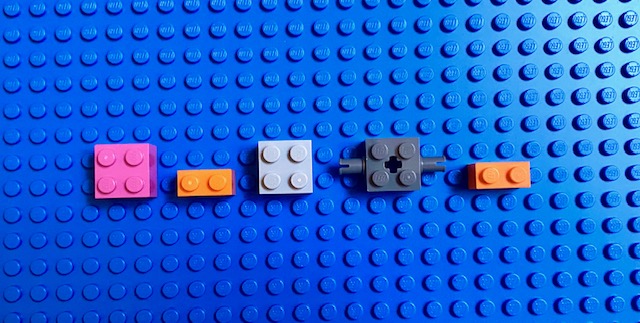
Using Lego pieces or any other type of pieces, we can create a coding game where children must write, for example, the names of their classmates using a secret code. The others will need to figure out what has been written.
This game can be adjusted to any level of difficulty, depending on the children's age.
Task programming
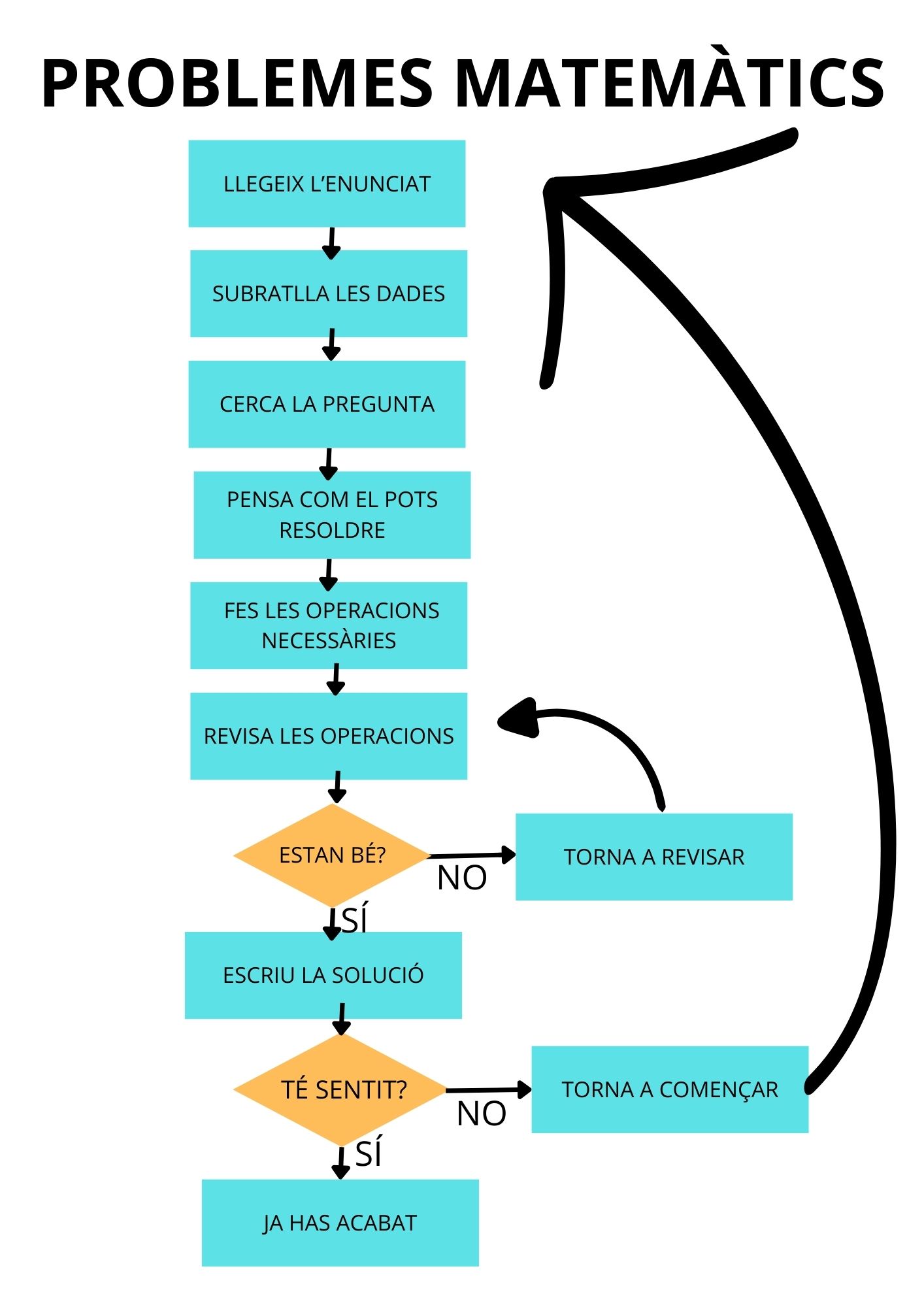
With older children, we can program tasks that we regularly do and want to follow the same pattern each time (e.g., solving a math problem, writing a text, etc.). This task can be done with the students and displayed in the classroom to keep it visible and as a reminder.
Let’s work with Mondrian
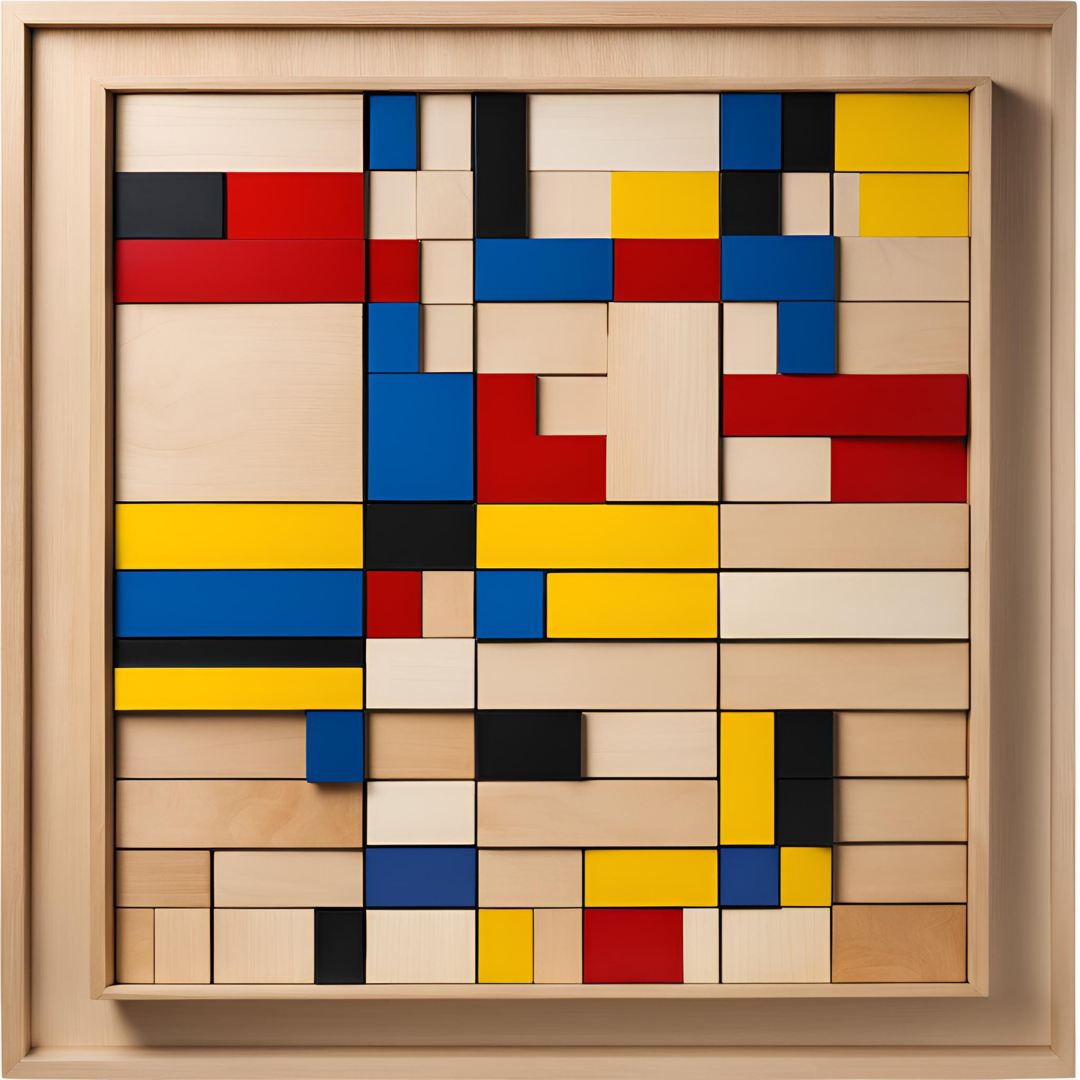
In our artistic projects, where we explore artists who use geometric shapes in their work, we can decompose one of their pieces and then recreate it using different materials (wood pieces, foam, cardboard, etc.) or create alternative versions. This activity encourages both creativity and computational thinking, as students break down the artwork into its basic elements and then reassemble them in new ways.