Omet navegació

🔴 TASK 2: Impact of technology on adolescence (UNICEF)

Activity Focus

⚡ According to the MRCDD, in this activity you will work with the following indicator:

  • Area 5. Empowerment of students
  • Stage: B
  • Progression level: B1
  • Competence: 5.3 Active commitment of students to their own learning
  • Indicator: 5.3.B1.2 Implements pedagogical strategies based on the usability and access conditions of the digital technologies available at the school so that students use them in an increasingly autonomous way in various learning contexts.

  • Area 6. Development of students' digital competence
  • Stage: B
  • Progression level: B1
  • Competence: 6.4 Responsible use and digital well-being
  • Indicator: 6.4.B1.1 Integrates into teaching-learning processes situations aimed at helping students develop the knowledge, habits, and values to make safe, responsible, critical, healthy, and sustainable use of digital technologies.

Task to be carried out

This second activity of the training consists of two mandatory parts:

🅰️ Part 1
Carefully read and analyze the summarized report on the impact of technology on adolescence developed by UNICEF 👇. Then, answer the questions in the questionnaire (📝 The impact of technology on adolescence 👇).

🅱️ Part 2
Now, create your own questionnaire (use the tool you feel most comfortable with), with at least 10 questions, about your students' use of technology outside the school context. This will allow you to start (later on, if you find it appropriate, this is completely optional) a debate for drafting a series of classroom proposals regarding devices during school hours.

As an example, this questionnaire could contain questions like these:

  • Do you have internet access at home?
  • Do you think the bandwidth you have is sufficient?
  • How many devices with internet connectivity do you have at home? Mobile, tablets, computers, TV, game consoles...
  • How many of these devices are exclusively for your use?
  • How many hours do you use these devices on weekdays after school hours?
  • And on weekends?
  • Do you have your device(s) with you at bedtime?
  • Have you ever gotten up at night to check social media or other online content?
  • Do your parents have any parental control system on your devices?
  • Do they set a maximum screen time outside of school hours? How much time do you have?
  • If you already have a mobile phone, how old were you when it was bought/gifted to you?
  • Do you have profiles on social media? How many?
  • What is your preferred social network? Why?
  • Have you ever chatted with strangers online?
  • Have you had any problems in this regard?
  • Have you ever felt that your privacy was threatened online?
  • Are you aware of using services that are not recommended for your age?
  • Have you ever bought tokens to improve your online games?
  • Have you ever made bets online?
  • Do you know what the Deep or Dark Web is?
  • ...

How to submit the task?

1️⃣ Answer the questionnaire 📝 The impact of technology on adolescence 👇.
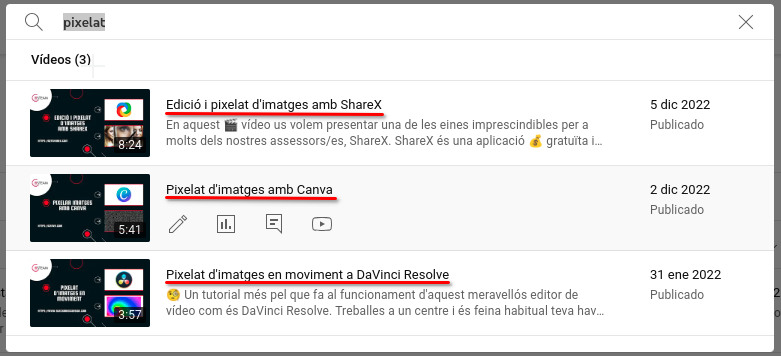
2️⃣ Upload the results in diagram format of your students' responses to the questions you proposed in Part 2 of this activity. Remember that it is critically important to anonymize your students' data. Cover or pixelate any images where personal data of your students may appear. You can find more information on the IBSTEAM YouTube channel (📸 tutorials_pixelated_images.png 👇).

IBSTEAM. tutorials_pixelated_images.png (CC BY-SA)

👌 Optional: If the activity has been useful and you have been able to draft a set of proposals for improving the use of ICT in the classroom, you can add them to the public comments of this task to create a potential repository of initiatives and good practices.
 

Resposta múltiple

Qüestió

1. What is the main objective of UNICEF's study?

Respostes

 To demonstrate that screen use is negative for adolescents.

To discover what the addictions of adolescents are.

To carry out a diagnosis of the use and impact of technology on adolescence.

To summarize the dangers adolescents may face due to the use of new technologies.

Retroacció

Qüestió

2. We have gone from hearing the term "ICT" to hearing a new one, "TRIC." What do these new initials mean?

Respostes

Information Communication Technologies.

Technologies for Relationship, Information, and Communication.

Repetitive Itinerant Behavior Disorder.

Information and Communication Technologies.

Retroacció

Qüestió

3. According to UNICEF's report, what percentage of adolescents have access to the internet across Spain?

Respostes

Around 25%.

Around 50%.

Around 75%.

Almost 100%.

Retroacció

Qüestió

4. What is one of the negative effects of excessive screen exposure in adolescence, according to UNICEF's report?

Respostes

Decreased sleep quality, 1 in 5 adolescents connects at night.

Improvement in concentration skills.

Greater development of social skills.

Retroacció

Qüestió

5. According to UNICEF, what role do parents and caregivers play in adolescents' digital lives?
 

Respostes

They must set clear limits and rules, although less than half do so.

They have no influence at all.

They do not need to worry about adolescents' technology use.

They are the only ones responsible for digital education.

Retroacció

Qüestió

6. What is the main reason adolescents use technology, according to UNICEF's report?

Respostes

Reduction of stress and depression.

Decrease in self-esteem.

Reduction of violence in interpersonal relationships.

Increase in social relationships and fun.

Retroacció

Qüestió

7. What is a possible triggering factor for problematic gaming or video game addiction?

Respostes

The company during the game.

The device used during the game.

The theme of the game.

The frequency and intensity of the game.

Retroacció

Qüestió

8. What is one of the negative effects of cyberbullying in adolescence, according to UNICEF's report?

Respostes

Improved self-esteem.

Reduction in stress levels.

Negative impact on mental health.

Increase in socialization with peers.

Retroacció

Qüestió

9. According to UNICEF's report, what can the educational system do to promote the proper use of technology among adolescents?

Respostes

Ignore differences in access to technology.

Provide all adolescents with cutting-edge electronic devices.

Work to encourage the appropriate use of tools and necessary guidelines for managing the internet.

Take no action, as technology does not impact students.

Retroacció

Qüestió

10. What is one of the main risks posed by technology in adolescence, according to UNICEF's report?

Respostes

Increased physical activity.

Improvement in cognitive skills.

Access to inappropriate content for their age.

Greater access to education.

Retroacció

Creat amb eXeLearning (Finestra nova)